
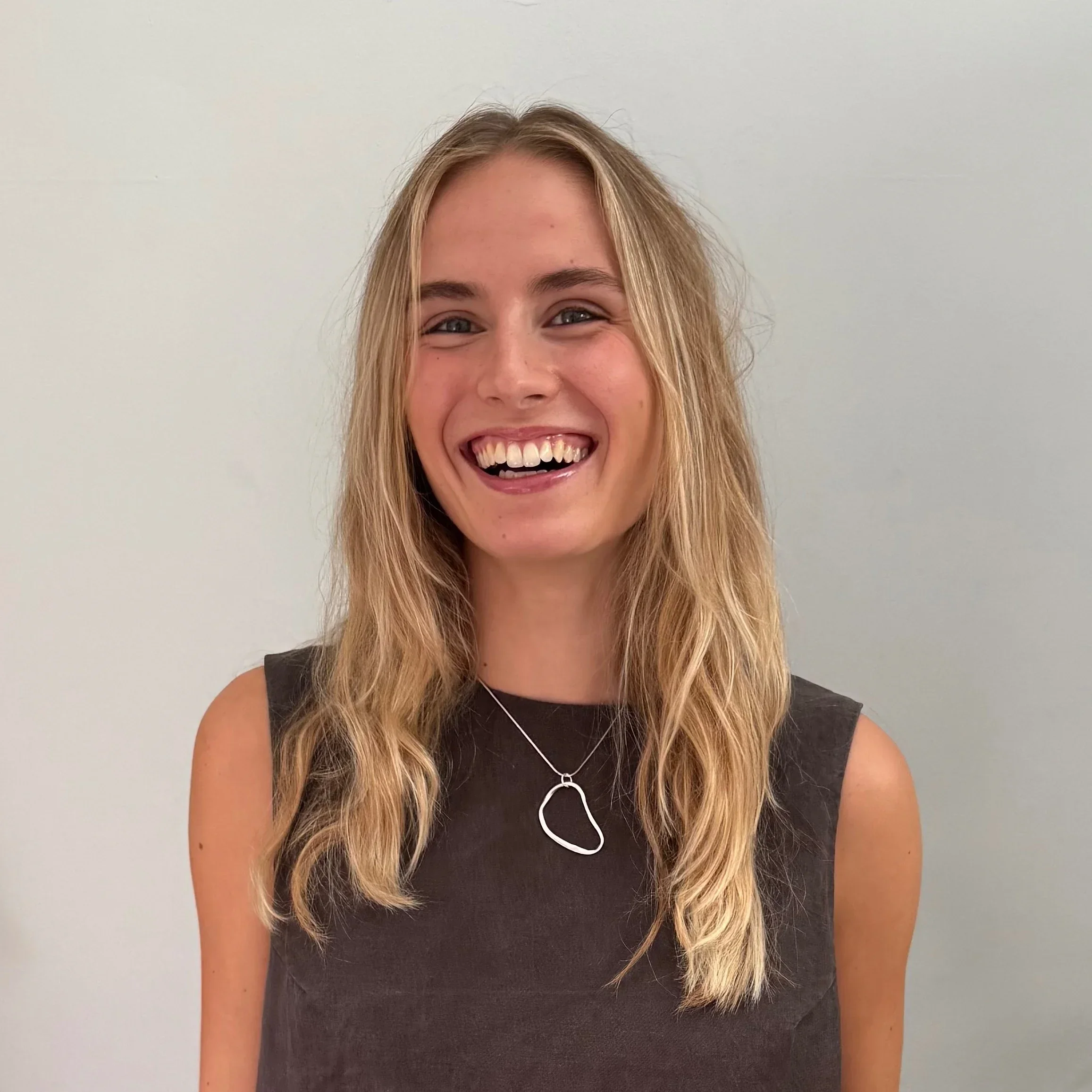
Amy Chappelhow
A recent University of Bristol graduate, Amy led a venture upcycling used coffee grounds into biodegradable cups for local cafés, while building commercial skills through a jewellery side hustle. She takes an open-minded, opportunity-led approach, attending industry events and developing an adaptable, future-facing skill set.
Amy Chappelhow
*
Amy Chappelhow *
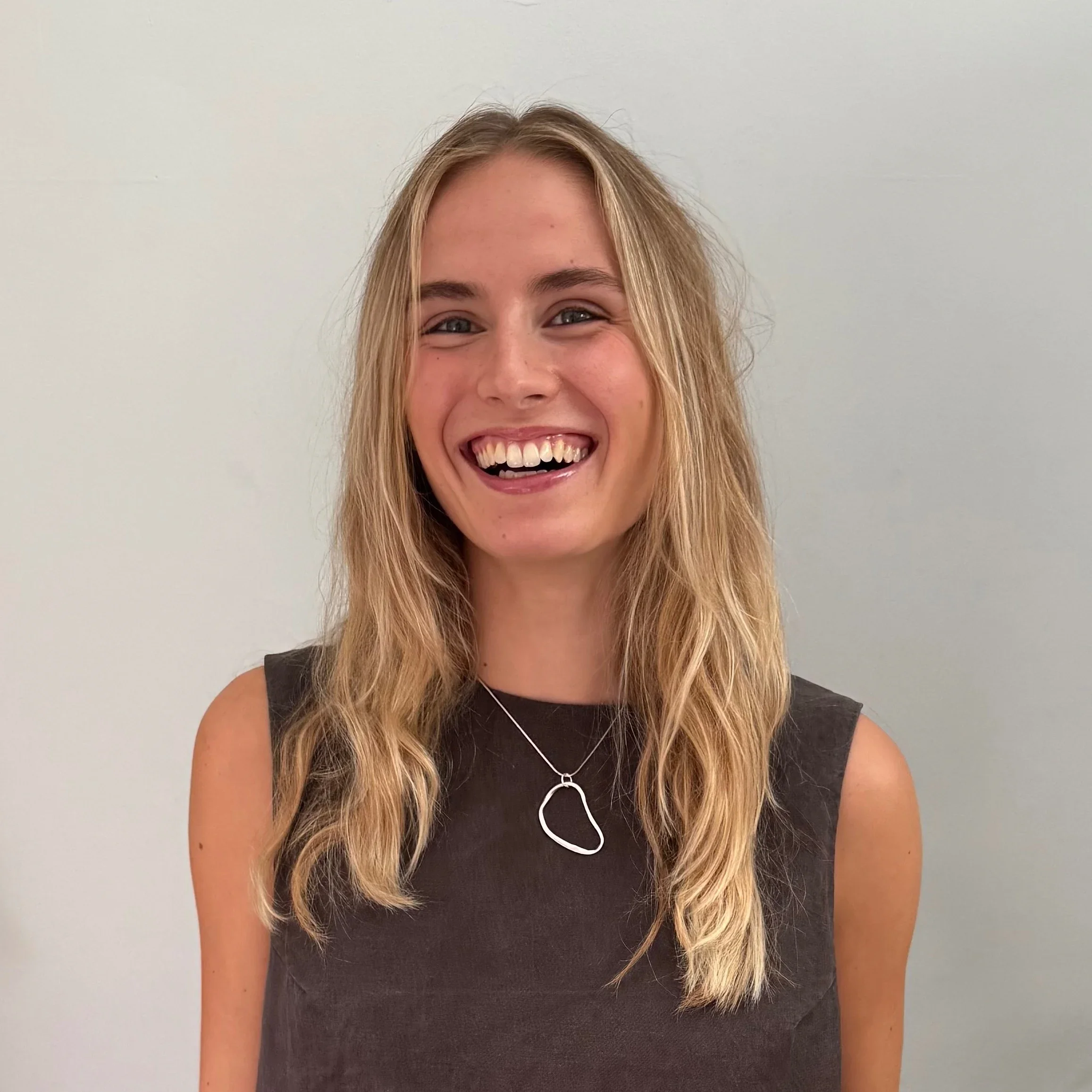
Meet Amy
A recent University of Bristol graduate, Amy led a venture upcycling used coffee grounds into biodegradable cups for local cafés, while building commercial skills through a jewellery side hustle. She takes an open-minded, opportunity-led approach, attending industry events and developing an adaptable, future-facing skill set.
What’s been the biggest challenge in finding the right role after graduating, and how did you navigate it?
Getting people to take a chance on me as a recent graduate without years of industry experience has been the biggest challenge. To navigate this, I focused on making my applications stand out - finding ways to demonstrate my potential, even without a long professional track record.
My Vizzy profile was key in this, alongside the time I invested in attending webinars and in-person industry events. These experiences helped me show genuine enthusiasm for the roles I applied to and build connections that made a difference.
What’s one project you’ve worked on that you’re particularly proud of?
My final year innovation team project, where we developed a closed-loop venture plan that collected and upcycled used coffee grounds from Bristol cafés into biodegradable coffee cups that those same cafés could reuse. We turned a waste problem into a sustainable solution, and it was just really cool to work in a start-up-style environment where creativity and practicality came together.
What’s a skill you’ve developed early on that’s turned out to be valuable in the working world?
Keeping an open mind about where my career might lead. I’ve been good at saying yes to opportunities and exploring different roles and industries - even ones I hadn’t initially considered. This mindset has helped me discover what resonates with me (and what doesn’t), while growing intentionally and building a more adaptable skill set along the way.
Whose career path do you find inspiring, and why?
I find Amelia Miller, co-founder of ivee, really inspiring. She left a stable, high-paying role at Goldman Sachs to co-found her own company (alongside her sister!) - and went on to successfully pitch it on Dragons’ Den. Her journey shows real courage, and is a reminder that sometimes the most rewarding opportunities often come from taking risks and trusting yourself.
What’s one thing you wish more people understood about starting out in your industry?
To be honest, I don’t feel I belong to a single ‘set’ industry just yet. I don’t think this is necessarily a bad thing though. Many employers, especially in the start-up world, now value breadth of experience and agility across industries and roles more than a traditional, linear career path.
Have any of your interests, hobbies, or other creative outlets proven to be helpful in starting your career?
Yes, I have a small jewellery-making side hustle, which is both a creative outlet and a practical learning experience. It’s taught me valuable skills in sales and marketing, and has given me insight into what it takes to run a small business.
What’s a piece of advice you’ve received that’s really stuck with you - and that you’d pass on to others just starting out?
A mentor who’s been guiding me as I explore the start-up space told me that early in your career, it’s far more important to find people you click with and a supportive environment for learning than to chase impressive job titles. Look for teams that offer regular feedback, growth opportunities, and room to learn - that foundation will take you much further in the long run.
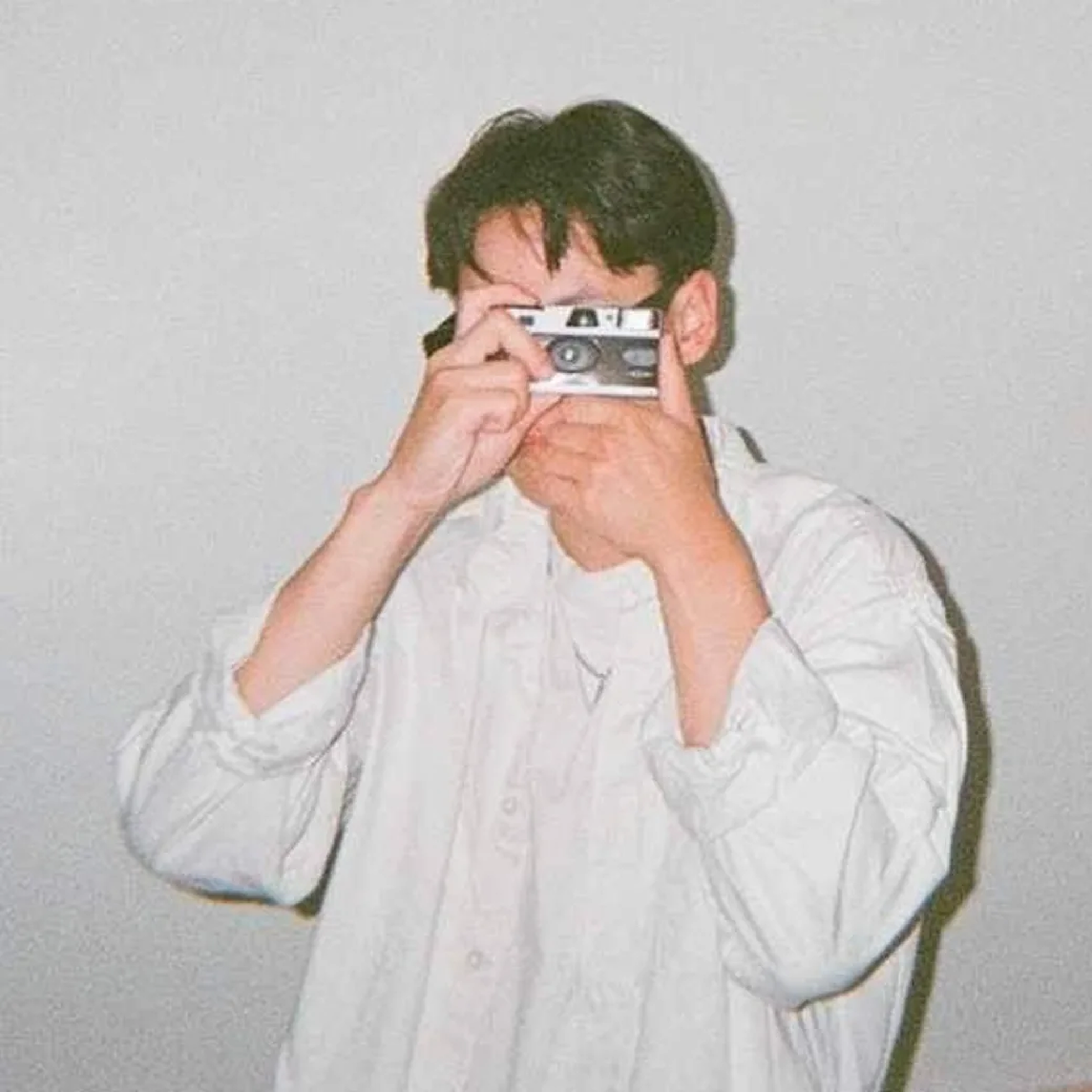
Sean Cam
At Adjuvo, Sean supports some of the UK’s most promising early-stage startups, helping raise a record £12.9M last year alone. He brings a people-first approach to investing – and channels the same focus into cycling, most recently pushing his body and mind across 4,500km from London to Istanbul.
Sean Cam
*
Sean Cam *
Meet Sean
At Adjuvo, Sean supports some of the UK’s most promising early-stage startups, helping raise a record £12.9M last year alone. He brings a people-first approach to investing, and channels the same focus into cycling, most recently pushing his body and mind across 4,500km from London to Istanbul.
Visit Sean’s Profile
What first drew you to the world of venture capital and startups?
What first drew me to venture capital was the unique combination of creativity, strategy, and impact. I was fascinated by the process of turning ideas into scalable businesses, and the opportunity to work alongside founders who are challenging assumptions, solving real-world problems, and shaping the future was something I found incredibly interesting. Having previously worked in large companies, I also wanted to understand what happens at the earliest stages, to see how startups are built from the ground up and to be part of that journey. I believed that by studying and supporting how successful startups grow, you gain insight into the fundamental principles that underpin any great company, regardless of its size. I still believe that today.
What’s something that’s surprised you about working in venture capital compared to what you expected before starting?
One of the biggest surprises has been how human the work really is. Before entering venture capital, I imagined it would be heavily analytical, focused on financial models, market sizing, and deal structures. While those aspects are certainly important, the reality is that so much of the job revolves around people: building trust with founders, understanding their motivations, and supporting them through the ups and downs of building a company. At Adjuvo, we often say that the most important criteria for investing in a company is whether we can back the founder, which really encapsulates how personal this industry actually is.
Adjuvo is also a syndicate, not a fund, so the same applies to the other side of the table with our investors, it’s incredibly high-touch and personal. Our members aren’t just a name on a list of LPs, they are personal connections who we meet regularly throughout the year, and many of our members take it a step further, becoming actively involved with our portfolio companies on their boards or as advisers.
What has truly surprised me is that the emotional intelligence and empathy required to be effective in venture capital are just as vital as the analytical skills.
Your role involves analysing and supporting start-ups, what’s one quality you’ve noticed that the most successful founders share?
The most successful founders I’ve worked with share an exceptional level of resilience. They’re adaptable, calm under pressure, and have an almost stubborn belief in their mission, but balanced with a willingness to listen and pivot when needed. It’s that combination of conviction and humility that really stands out. Startups inevitably face challenges, but founders who can absorb setbacks, learn from them quickly, and keep their team motivated tend to be the ones who build something enduring.
Tell us about a project or moment in your career so far that you’re particularly proud of.
One of the moments I’m most proud of was last year, when our team at Adjuvo broke our record for total funds raised in a single year, securing £12.9M for early-stage British start-ups. It was a real team effort, and a testament to the strong relationships we’ve built with our investor community and the quality of the companies we support. Seeing the tangible impact of that capital, helping founders scale, create jobs, and bring innovative ideas to market, was incredibly rewarding. What makes it even more exciting is that we’re on track to surpass that milestone again this year, which reflects the momentum and trust we’ve continued to build in the ecosystem.
What advice would you give to people who are curious about getting into venture capital but don’t come from a finance background?
Firstly, I’d reiterate that you do not need a finance background to enter venture capital. Most of the team at Adjuvo hold humanities degrees (I read History at university, and our CEO read English!). If you come from a non-finance background, you likely bring a fresh perspective that can be invaluable.
My advice would be to lean into your curiosity and build your own edge. Venture capital isn’t just about numbers, it’s about understanding markets, technology, and people. Start by immersing yourself in the startup ecosystem: attend conferences and pitch events, read investment memos, and reach out to founders or investors to learn about their journeys. The ability to form independent opinions about emerging trends and founders’ potential is often more valuable than any specific financial credential.
You recently cycled 4,500km from London to Istanbul, an incredible achievement! What first drew you to cycling, and what keeps that passion going?
I remember when my brother encouraged me to get back on a bike a few years ago, and I was immediately hooked on the combination of adventure, endurance, and reflection in a way few other activities do. What started as a weekend hobby quickly became a way to explore new places around London, then further out in the country, and eventually abroad, all whilst challenging myself both physically and mentally. The London-to-Istanbul ride was the manifestation of the ultimate adventure across the continent, but it was as much about mindset as mileage, learning to stay present, push through discomfort, and enjoy the simplicity of life on the road. That’s what keeps me coming back, that sense of freedom and clarity that comes with being on the bike. It’s a space where I can think if I want to or completely zone out, reset, and reconnect with what drives me.
Balancing a role in the fast-paced world of venture capital with long training rides can’t be easy, how do you make time for cycling alongside work, and what does it bring to your day-to-day life?
It definitely requires some planning, but I’ve learned to treat cycling as an essential part of my routine rather than a luxury. It also takes a very understanding partner at home who accepts my noisy early mornings and hours of weekend disappearances! Early morning rides before work focus that daily push into the pedals and sets me up for the day with a positive mindset, and long weekend rides have become a form of active meditation, a time to clear my head and reset. In fact, some of my best thinking happens on the bike. And sometimes I enter a flow and think of absolutely nothing which encourages a different but equally potent clarity. These are the rides I enjoy the most, when I can switch off my brain and tune out the noise, it brings balance and reminds me to pace myself and stay grounded. Ultimately, cycling doesn’t take time away from work; it gives me the focus and energy to perform better in every other aspect of my life.
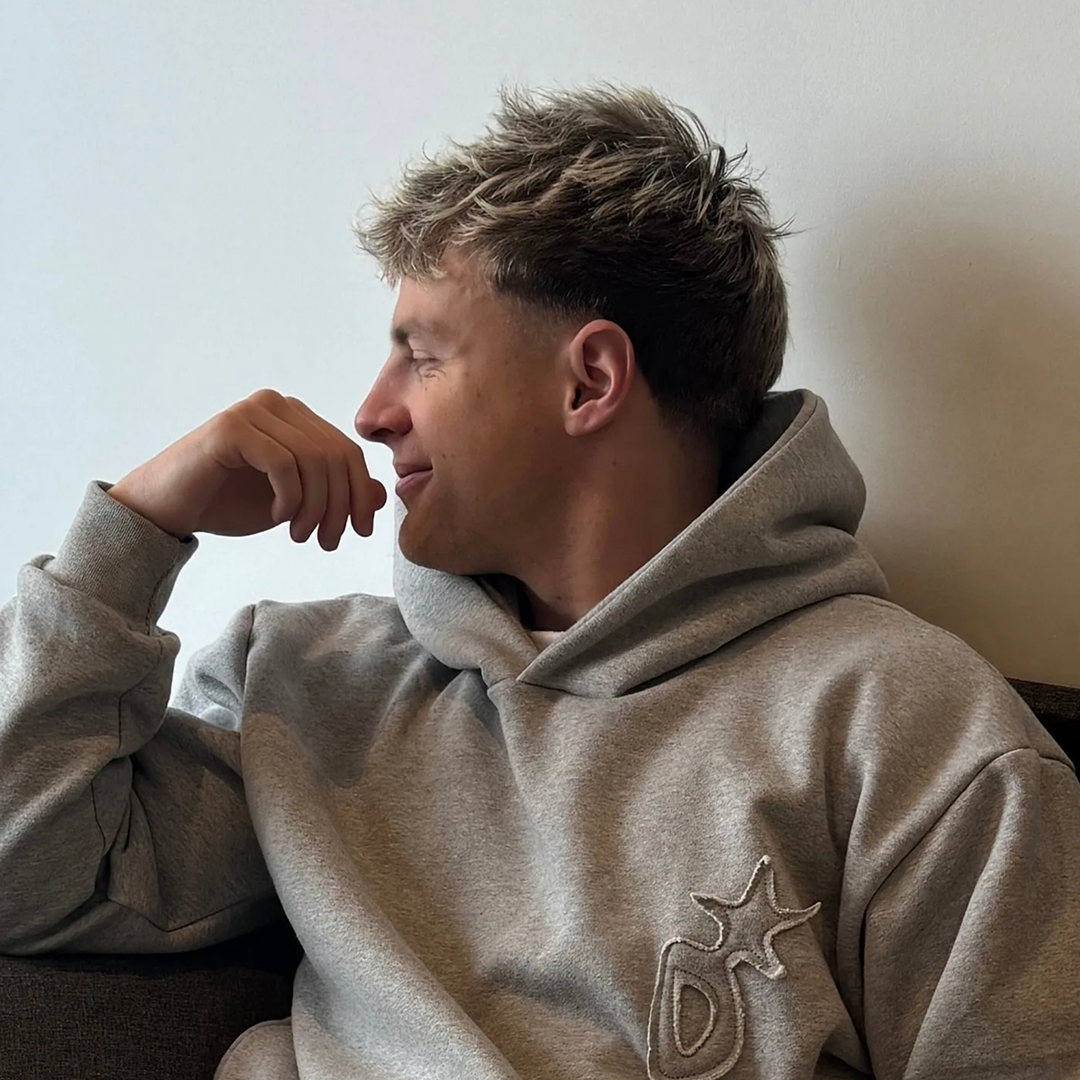
Sam Baker
At just 22, Sam has grown his streetwear brand from a single self-designed trucker cap into limited drops that sell out in seconds. Years of self-taught design, a strong visual identity and a commitment to originality define his work, fuelled by the creativity he finds on hiking and wild-camping trips.
Sam Baker
*
Sam Baker *
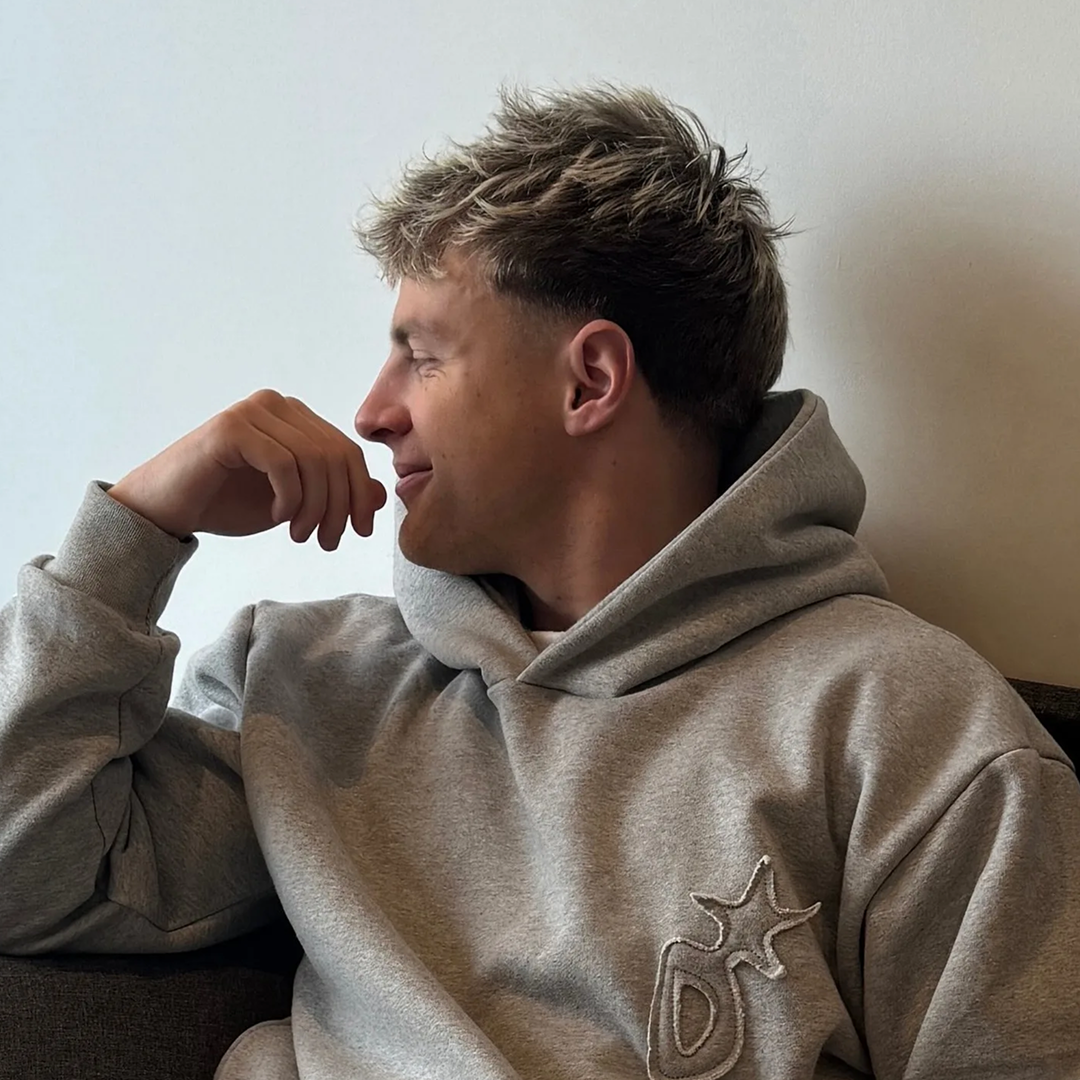
Meet Sam
At just 22, Sam has grown his streetwear brand from a single self-designed trucker cap into limited drops that sell out in seconds. Years of self-taught design, a strong visual identity and a commitment to originality define his work, fuelled by the creativity he finds on hiking and wild-camping trips.
You co-founded a streetwear brand. What sparked that idea, and what’s been the biggest lesson from building something from the ground up?
The idea all started back in 2022 - I was really into wearing baseball caps at the time, especially trucker caps. I really wanted a baby blue one and couldn’t find one anywhere that had a decent design on. So I decided to design one myself as I already had a background in graphic design and the price of ordering a sample from overseas was cheaper than ordering a branded one online from an existing brand. I started giving them out to friends for free, sold a couple here and there, and then moved on to t-shirts shortly after. The biggest lesson I've learnt is to be consistent, which I still struggle with today, because unfortunately today, online you can become irrelevant in a second, but regardless - you have to keep pushing.
Streetwear has such a distinct culture and energy. What do you think defines great streetwear in 2025?
Originality - which is so so hard nowadays because so much has already been done and it’s extremely difficult to think of a brand new idea. If your brand doesn’t have a USP then it’s just going to get lost among the rest.
What’s a moment or project you’re most proud of so far, and why does it stand out?
There’s absolutely one that stands out above the rest. About 9 months in, we released our first ever tracksuit (a product that our brand is known for now), the quality was insanely high, the fabric was soft, all the details were perfect, and to make a big splash on to the scene we decided to massively undercut the market (the hoodies were only £35 and joggers were £30). The drop sold out in 40 seconds. I couldn’t stop smiling for the rest of the week, this was the first time I remember thinking, we could be onto something here.
For anyone looking to break into freelance fashion design or brand graphics, what skills or tools are essential early on?
I would say a very useful skill to have early on is to be proficient in the Adobe Creative Suite (Photoshop and InDesign). I’ve been using Photoshop for the past 10 years and I’m only 22, completely self-taught from YouTube tutorials. This stemmed from having an interest in photography from a young age and then shifting slightly in my later years to graphic design, going onto study it at college where my skillset grew even further. So instead of watching football when I was 15, I was sat at home learning how to add shadows to text for a thumbnail I was making for a YouTube video I recorded from my family holiday in Greece!
Looking back, is there anything you wish you’d known when you were first getting into design, or something you’d tell grads hoping to follow a similar path?
Really try to have your own style. I have a dreadful habit of only believing something will work if it’s been done before, because there’s evidence to show that it’s going to be worthwhile and that it can be successful. BUT, this is well and truly not the case and it links back to my point about having a USP. You have to be different, because it’s so easy to learn how to draw nowadays, or build a streetwear brand, or learn a new skill that 20 years ago, you would have to go to the library and read about it. It’s so easy in 2025, not even mentioning AI and the damage that’s going to do to fellow creatives. So you HAVE to differentiate yourself from the rest, whether that’s the way you market yourself as a brand or on an individual basis (through creating something like a Vizzy!), or having a recognisable style of work that people can look at and be like, that’s Sam Baker’s work.
The fashion world moves fast, how do you stay inspired and keep your ideas feeling fresh?
I stay inspired by maintaining my space in the community. Within fashion especially, it definitely is who you know, not what you know. So I try to go to events, travel to different cities, meet new people, all of which keep me inspired and my ideas fresh because I’m constantly surrounded by like-minded people who are wearing the next best thing, or they know someone who knows someone and that’s another relationship formed.
On your Vizzy, you’ve talked about your love of hiking and wild camping. How does time outdoors help you reset or bring perspective to your creative work?
Time away from work and my computer is absolutely essential, with wild camping especially because I don’t know if you can get more cut-off from the world than by climbing up a mountain in the middle of nowhere and having to survive the night. My best friend and I regularly drive up to the Peak District/Lake District for a few nights for a mental reset, and because we actually love doing it. We love cooking up a hearty meal at the end of the hike up there, the views once at the top and the cosy night in your sleeping bag followed by a nice pub breakfast the following morning. We always make it a rule to not use our phones unless it’s for pictures or an emergency. We haven’t been for one in a while actually, but it’s always more challenging in the winter thanks to the short erdays and horrible weather, but since speaking about it here, I think we’ll get something in the diary.
Tyrell Squire
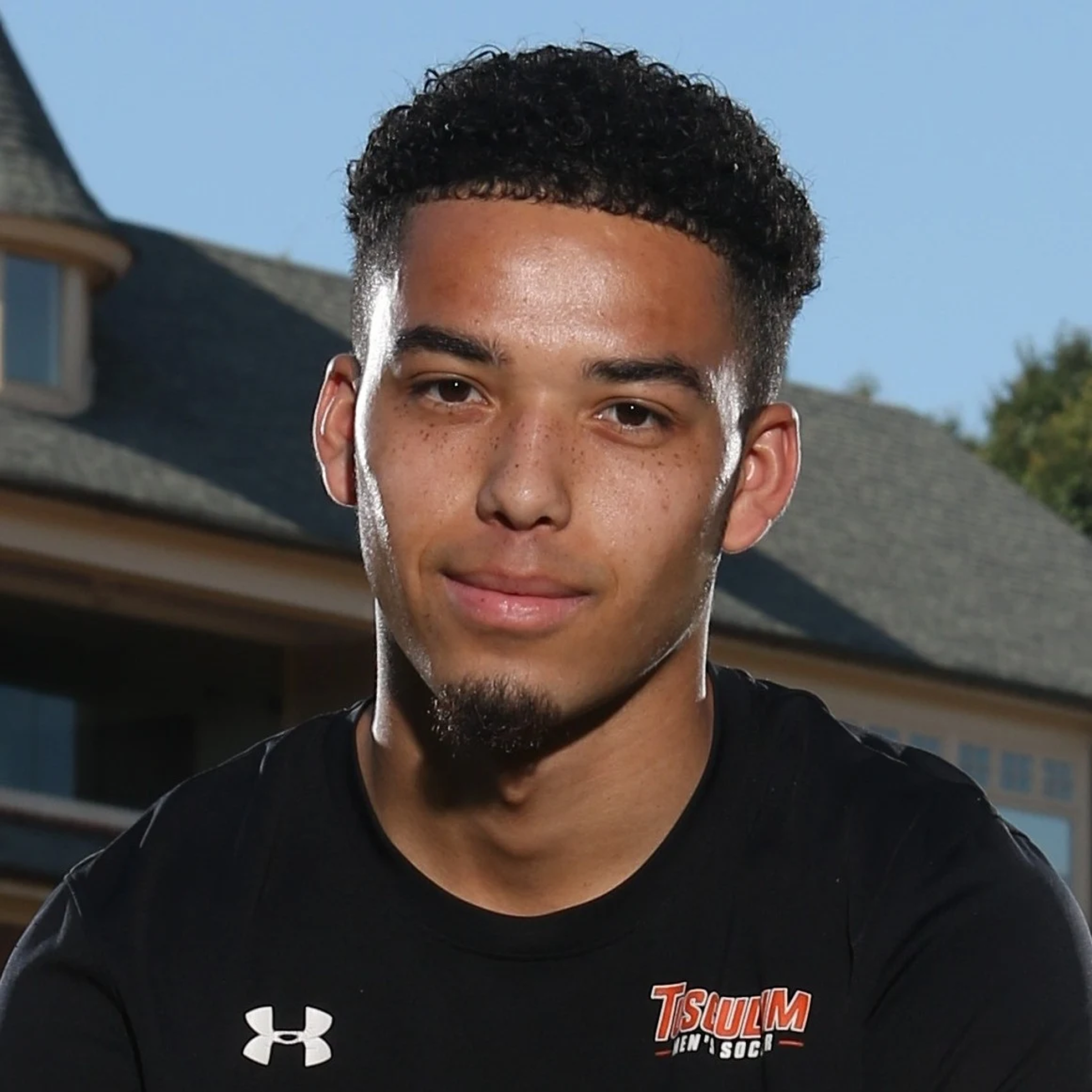
Tyrell has worked behind the scenes of some of global sport’s biggest moments, from Manchester United’s commercial operations to supporting the 2025 PepsiCo UEFA Champions League Finals in Munich. Driven and razor-sharp under pressure, he’s building a career where culture, sport and storytelling meet.
Tyrell Squire
*
Tyrell Squire *
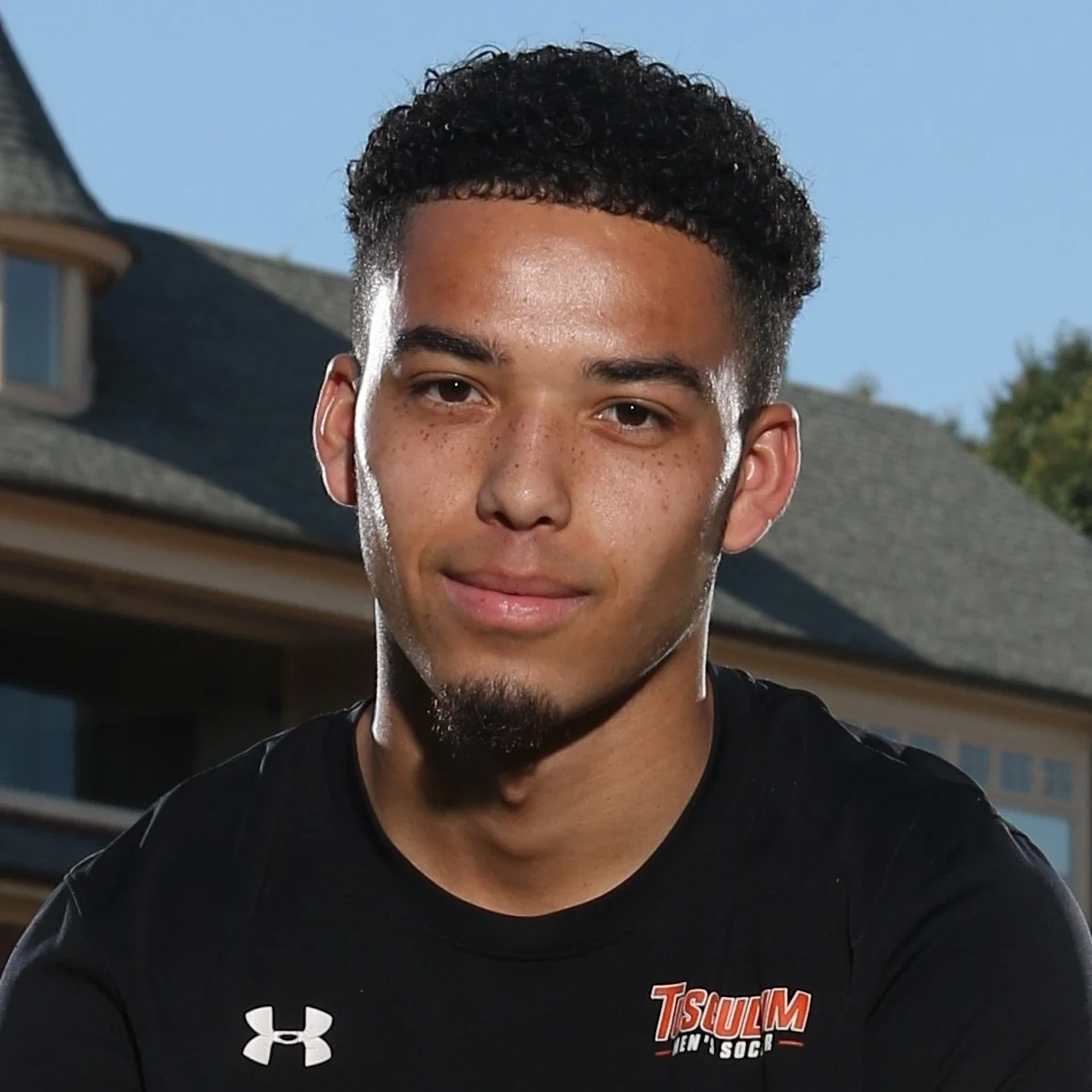
Meet Tyrell
Tyrell has worked behind the scenes of some of global sport’s biggest moments, from Manchester United’s commercial operations to supporting the 2025 PepsiCo UEFA Champions League finals in Munich. Driven and razor-sharp under pressure, he’s building a career where culture, sport and storytelling meet.
You’ve already worked with some huge names in sport. What’s been a standout moment or project for you so far?
Working with Manchester United’s Commercial Operations team has been a massive highlight. Being part of the process that helps activate partnerships with some of the world’s biggest brands has been surreal. But it was at Fuse where I truly got to understand the work that goes into large sporting campaigns as part of the planning team for this year's 2025 PepsiCo UEFA Champions League Finals in Munich, especially seeing how global campaigns come to life behind the scenes. One standout moment was helping coordinate key partnership activations around matchdays while in Munich, where you really feel the scale and impact of the commercial side of sport. It gave me a deep appreciation for how much detail and collaboration go into delivering an elite fan and partner experience.
What first inspired you to pursue a career in sports and entertainment marketing?
I’ve always seen sport as more than just competition. It’s storytelling, culture, and emotion all rolled into one. My studies in both Sports Management and Sports Science helped me understand both the business and human sides of sport, and I became fascinated by how brands connect with fans through shared passion. Being part of #Merky FC, a programme designed to open doors for ethnic minorities in football, really reinforced that I wanted to be part of shaping the future of how sport is marketed and experienced.
Working in live events and sponsorships can be fast-paced. How do you stay calm and focused when things get busy?
I try to stay process-driven and proactive — planning ahead while staying adaptable. Working in commercial operations and during live match environments taught me that clear communication is key. When things get hectic, I focus on the controllables: staying organised, keeping stakeholders informed, and maintaining a calm, professional presence. I’ve learned that your composure sets the tone for everyone around you.
You studied and worked both in the UK and the US. How has that international experience shaped the way you approach your work today?
Studying and working across both countries gave me a real appreciation for how sports culture and fan engagement differ globally. In the US, there’s a big emphasis on entertainment and experience, while in the UK, tradition and authenticity play a huge role. I try to bring a blend of both into my approach, combining creativity and innovation with respect for the sport’s heritage. It’s helped me think globally while executing locally.
In your eyes, what makes a sporting event really great? Any examples that come to mind?
A truly great sporting event leaves you with a feeling. Whether it’s pride, excitement, or connection - it’s when everything aligns: the crowd energy, the brand activations, the storytelling, and the execution. For example, watching the way UEFA and club partners bring fan zones, hospitality, and matchday experiences to life. It shows how powerful a well-run event can be. It’s that mix of emotion and organisation that creates lasting memories.
What’s one skill or mindset that’s made the biggest difference early in your career?
Adaptability. In sports no two days are the same. Things change fast, and being able to pivot while staying composed has been crucial. I’ve also found that being curious and willing to learn from everyone around you makes a big difference. The best people in this industry stay humble and hungry.
For graduates dreaming of working in sports marketing, what’s your best piece of advice for getting started?
Start by building genuine connections and staying close to the industry. Whether that’s through volunteering at events, networking on platforms like LinkedIn, or joining initiatives like #Merky FC. Be proactive, stay informed about brand partnerships and campaigns, and don’t be afraid to start small. Every opportunity, even behind the scenes, teaches you how the machine works. The key is consistency. keep showing up, learning, and adding value.
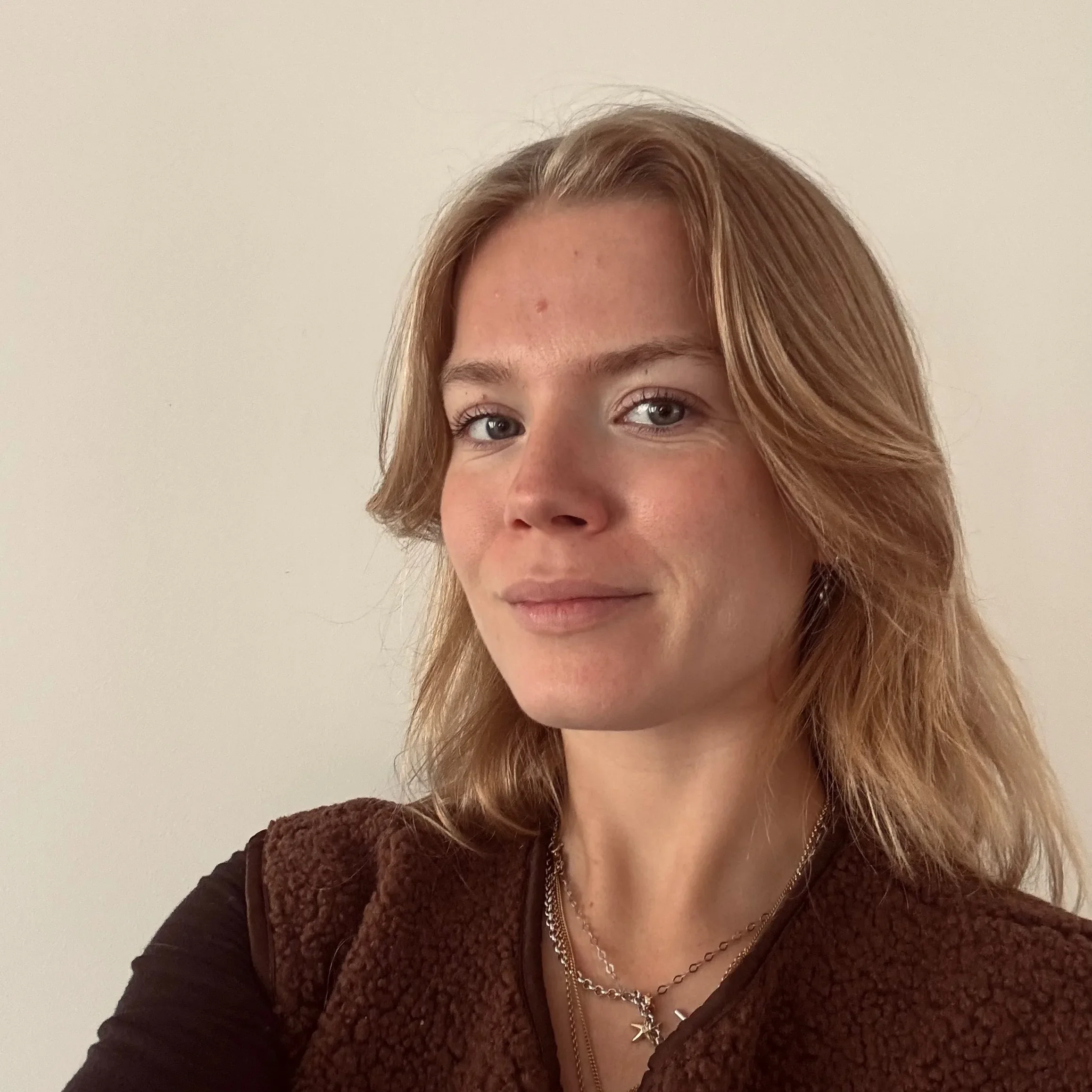
Mathilde de Laâge
Mathilde’s experience spans working on yachts near the Great Barrier Reef to driving agile transformation within a global fintech. Adaptable and thoughtful, she consistently steps into the unknown. Her journey reflects bold decisions, international growth and a mindset shaped by curiosity and change.
Mathilde de Laâge
*
Mathilde de Laâge *
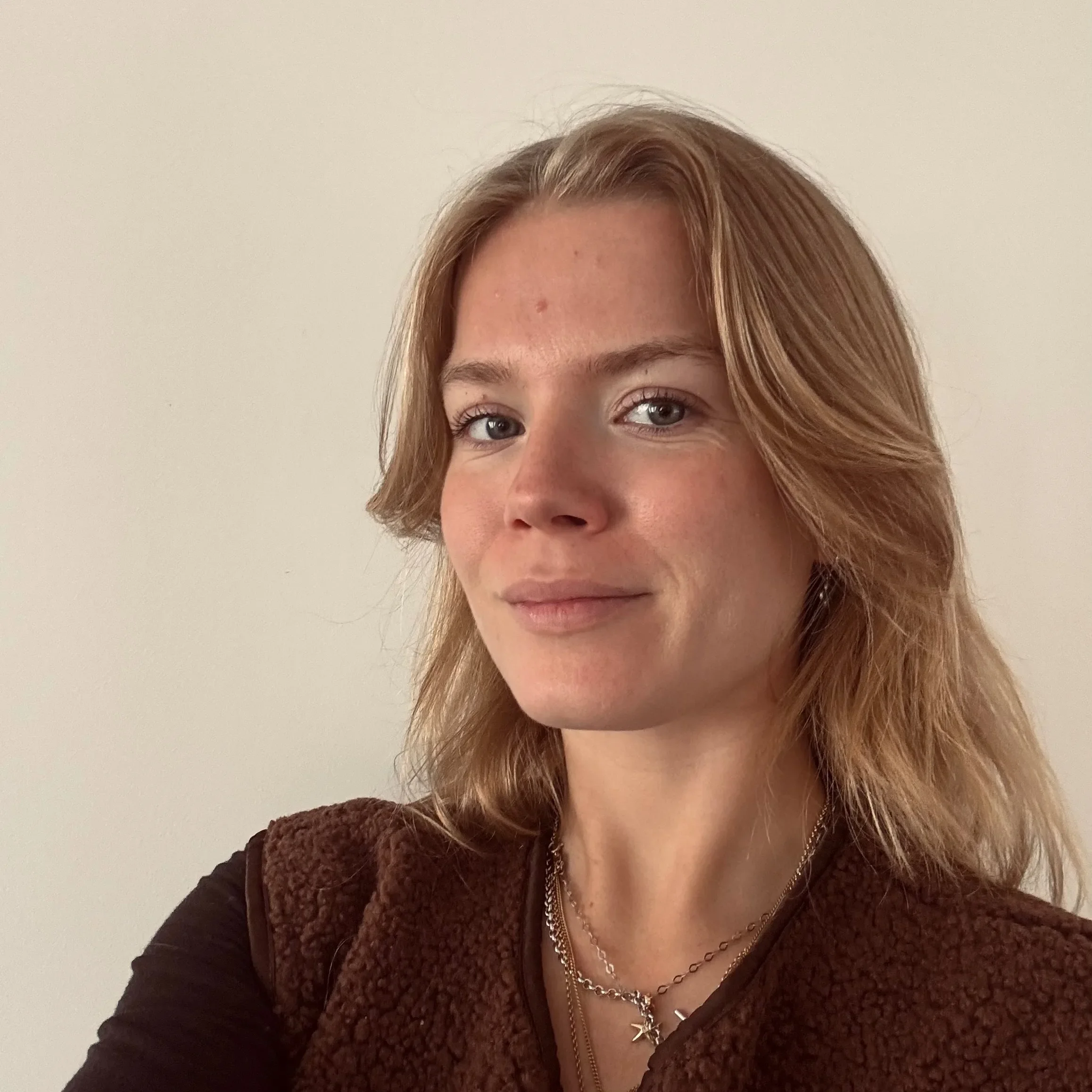
Meet Mathilde
Mathilde’s experience spans working on yachts near the Great Barrier Reef to driving agile transformation within a global fintech. Adaptable and thoughtful, she consistently steps into the unknown. Her journey reflects bold decisions, international growth and a mindset shaped by curiosity and change.
Your Vizzy shows an impressive commitment to learning through experience. From detailing yachts near the Great Barrier Reef to working in a professional kitchen in Australia. What have these experiences taught you about adaptability and personal growth?
Travelling through Australia in 2024 pushed me into jobs I never imagined I would do. And that was exactly the point. I had gone to the other side of the world, bought a 2002 Toyota Prado with an absurd number of kilometres on it (that somehow survived 22,000 more, with a few repairs), and decided to figure life as it came, embracing every opportunity and challenge it threw at me.
Those experiences taught me more about adaptability than anything I had done before. First by marketing myself for roles I had zero experience in and then picking up new skills fast. In Melbourne, I once turned a trial for a barmaid position into a successful shift behind the bar, mastering confidence before experience.
Working in a chef’s kitchen specifically, I learned to think fast, anticipate needs, communicate clearly, and let go of the illusion of control: you don’t plan your day in a kitchen, you respond, you adapt, and you keep going.
Working in boating also meant entering a male-dominated environment, where I had to set clear boundaries to be respected. I discovered how confident and grounded I can be when I choose
to stand up for myself.
And above all, I realised how much I enjoy being a “360° talent”: client-facing, operational,
relational, and able to adapt to completely different contexts.
These life and work experiences made me braver and more resourceful. I will carry that with me in everything I do.
While working as an Agile Culture Transformation Specialist, you helped teams become more open and collaborative. What did that teach you about inspiring people to work towards a shared goal?
The breakthrough for me was understanding that the real challenge is not task execution but creating true engagement around a shared goal people genuinely want to impact. For me, that’s what separates a performing team from a high-performing one.
As an Agile Coach at Swift, I worked with cross-functional teams made up of software engineers, quality experts, analysts, and product owners. We all brought different knowledge and skills, and that diversity led to stronger ideas, better solutions, and real value for our stakeholders.
But reaching that point of open collaboration and engagement does not happen by chance. Here’s what I have observed:
At the organisational level, you need a system that allows people to experiment, fail safely, learn fast, collaborate, and even have fun. Leadership plays a huge role in creating these conditions for success, shifting from control to unlocking potential. At the team level, people need to reconnect to why their work matters. Clear outcomes and ownership fuel motivation, and when purpose fades, creativity fades with it. And at a personal level, you must go first. You cannot expect teams to embrace vulnerability, curiosity, or experimentation if you are not modelling it yourself.
For me, that meant showing up with humility, consistency, and accountability. It meant building trust over time, celebrating progress (and failures too), and navigating disagreements with empathy.
Throughout my career so far, I have been lucky to work in environments that let me try, fail, learn, and grow. I am grateful to the leaders and colleagues who made that possible because it helped me create that space for others.
Those years taught me how powerful yet challenging it is to ignite true engagement and commitment around a shared goal. It is something I want to keep embodying because everything starts with you, right?
Looking back at your time at The University of Exeter, what experiences, projects or people helped shape your outlook and the path you’re on now?
Moving to the UK at 18 was a bold choice I did not fully measure at the time. I was French, had only learned English at school, and suddenly I found myself studying full-time in a completely different academic system and culture.
Here are a few things that stayed with me from my time at Exeter:
University taught me how to learn differently: to question, to analyse, to build a critical mind instead of just absorbing information. It was also the first place where I realised that the only constant in life is change, and that I wanted to become really good at navigating it. I still remember my third-year course on “Leading Change in Practice”, understanding how people adapt and evolve.
But more than the academics, it is the environment that shaped me. I was surrounded by people from all over the world, making friends studying in different fields and I loved every second of it. It made me value diverse perspectives, for your ideas get stronger when they are challenged, questioned, and enriched by others.
Looking back, Exeter did not give me a linear direction it gave me the mindset to stay curious, stay open and stay in motion. And perhaps most importantly, it showed me that when you set a bold goal, like becoming bilingual, or finding your place in a foreign environment, you can achieve far more than you think. And that’s priceless to me.
Many grads struggle to figure out their direction early on. What advice would you give to someone who wants to build real experience and stand out, even if they’re not sure where they’re heading yet?
The first thing I would say is: don’t stress about having a perfectly defined path. Careers are rarely linear, mine definitely is not. When I was studying at Exeter, I had no idea I would start my career in fintech, let alone in the cybersecurity department. And yet, saying yes to what sparked my curiosity opened doors I did not even know existed.
My advice? Follow your curiosity. Try things. Volunteer. Reach out to people, on LinkedIn, at events and conferences, on the train, or at a cafe if you are bold enough! Ask for their stories. Create opportunities and take them, even if they feel slightly random, and especially if they stretch you.
Every experience gives you data about yourself: what energises you, what drains you, what environments make you grow. That data becomes your compass when your “North Star” is not visible yet.
Even today, I still open new doors, explore new industries, and connect dots from different worlds. You must trust the process. Your direction will not come from thinking, it will come from trying. And you will stand out by being curious, proactive, and brave.
You recently volunteered at UNLEASH World, a leading HR tech conference. What did the experience teach you about where the world of people and technology are evolving?
Volunteering at UNLEASH felt like standing at the crossroads of people, organisations, and the future. I am part of a generation that grew up with technology, but what’s coming next with AI is on a completely different scale. You could feel the excitement around everything it will unlock: faster problem-solving, deeper insights, new creativity, and breakthroughs in healthcare, education, research, hiring, and beyond.
But the conference also reminded me of something essential: technology is just a tool. And like any tool, its impact depends entirely on how intentionally we use it.
For me, that intention shows up in three ways that are deeply connected:
1 - Clarity before innovation: Tech only creates value when we truly understand the problem we are trying to solve, and the root causes behind them. At UNLEASH, the leaders who stood out to me were the ones starting with purpose, not hype.
2 - Protect what makes us human: I just finished reading Cyberpunk, a book by the political scientist Asma Mhalla looking at how technology is reshaping power dynamics, and it shifted my lens completely. It made me realise how essential it is to protect and strengthen our human mind: our focus, judgment, creativity, empathy. As the researcher and author Brené Brown recently shared in a podcast, you need to own your mind, your attention, your presence. If you don’t, algorithms will happily own them for you.
3 - Innovation must stay accountable to the planet. We cannot ignore the environmental cost of technology. Data centres are energy-intensive, and we need to be bold in balancing innovation with sustainability. It is something I feel genuinely concerned about, even if I sometimes feel limited in how much I can influence it. I try to do my part, as I did in November by sensitising young people to climate challenges at a science and society forum. For me, the future of people and technology is a paradox: AI will free up time and unlock potential, but what we do with that freedom is still, and will always be, a human choice. And that choice will define the society we build.
Your love for skiing, travel, and the outdoors really shines through on your Vizzy. How do those things help you reset or bring fresh perspective to your career?
There is a lot happening in my head. I am constantly absorbing and connecting ideas, so I need strategies to slow my mind down.
The outdoors helps me reconnect with myself and release energy. I particularly enjoy being in the mountains, skiing or hiking. Travels on the other hand, widens my perspective. New environments challenge my assumptions, and I always return more grounded, more creative, and better able to see things from multiple angles.
And finally, what’s next for you? What kind of opportunities are you most excited to explore in the near future?
I‘m excited to step into roles where I can bring together my strengths in creative project management, communication, and coordination: designing meaningful experiences, structuring complex projects, and collaborating with diverse teams and partners.
I’m particularly drawn to communications roles and agencies for the breadth of missions, clients, and storytelling challenges they offer, while staying open to other industries and environments that value creativity. Over the longer term, I am keen to contribute to projects that promote art & culture.
What matters most to me is working in dynamic, multicultural contexts where ideas turn into impact, and where curiosity, positive energy, depth, and human connection drive the work. Above all, I want to keep learning and stretching myself.
Amanda Cheng
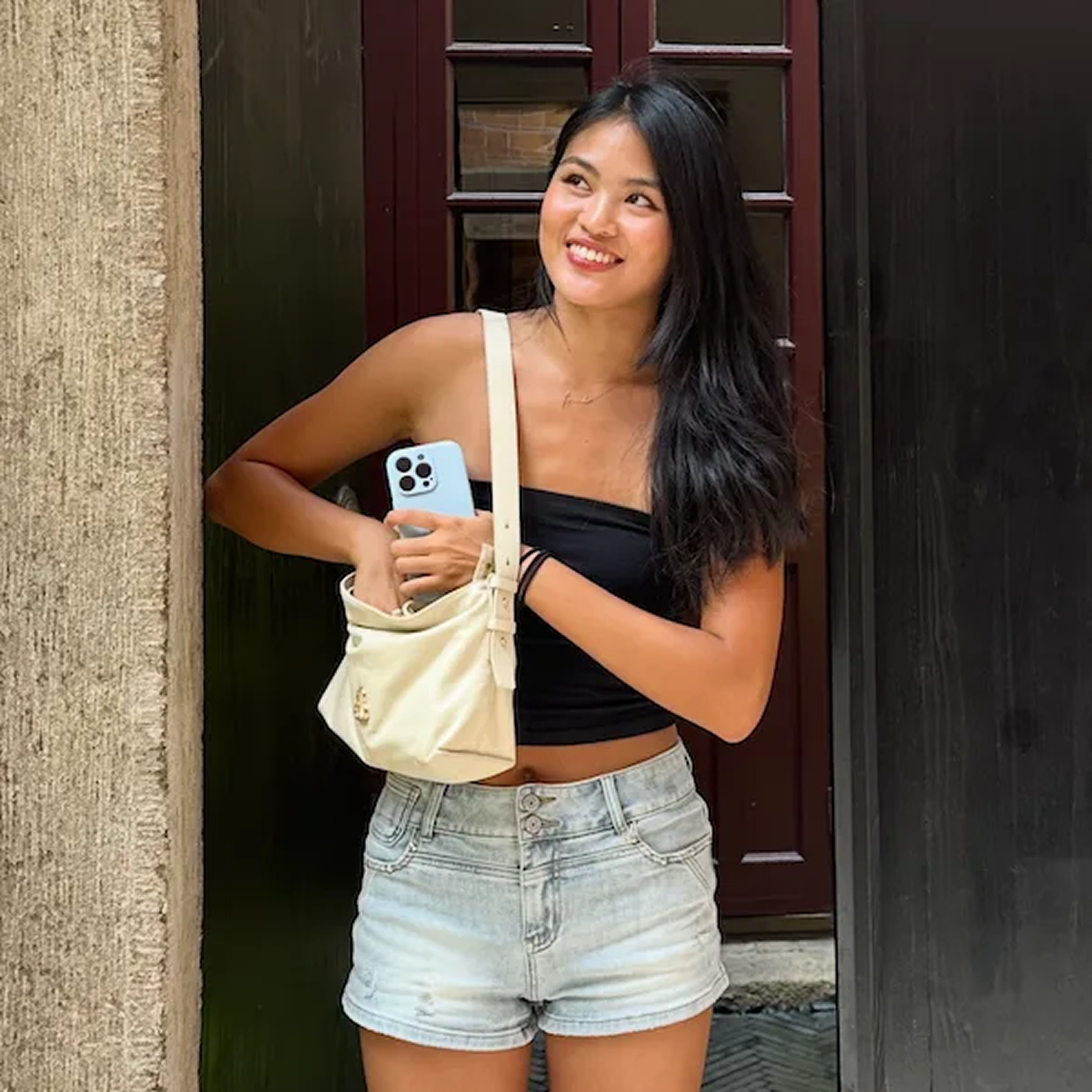
Amanda is shaping an ambitious multidisciplinary path at Duke University, combining computer science, design and brand strategy. She’s already built a full brand identity for Merigold Nutrition and brings strong collaborative skills from years of competitive dance, creating a focused and intentional creative future.
Amanda Cheng
*
Amanda Cheng *
Meet Amanda
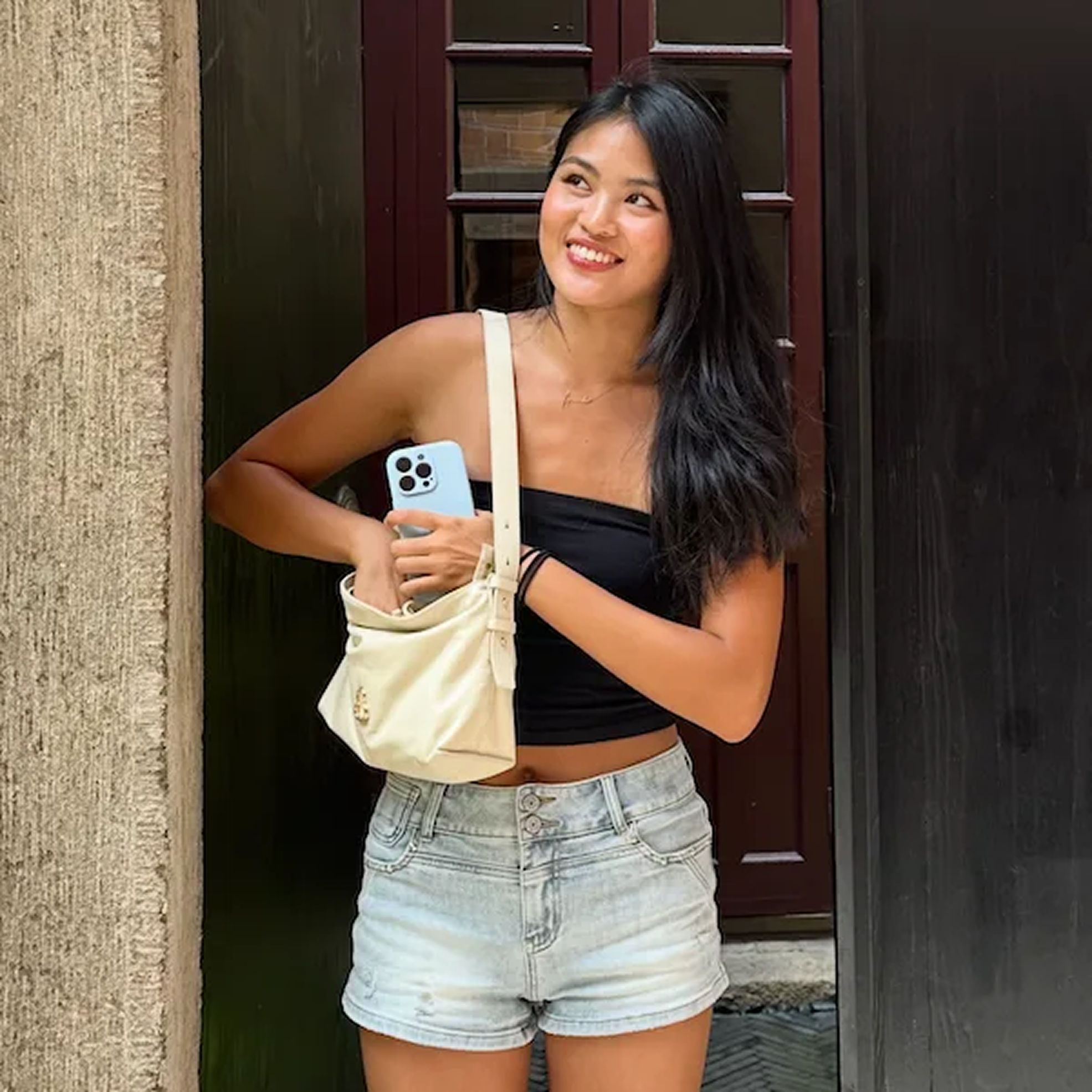
Amanda is shaping an ambitious multidisciplinary path at Duke University, combining computer science, design, and brand strategy. She’s already built a full brand identity for Merigold Nutrition and brings strong collaborative skills from years of competitive dance, creating a focused and intentional creative future.
You’re studying Computational Media at Duke. How are you finding the course so far, and how does it tie into your interests in design and marketing?
I'm a first-semester freshman, so I haven't had the opportunity to take some of the more specialised courses in the Computational Media major, such as Experimental Interface Design, Web Based Multimedia Communications, or Digital Imaging. I'm super excited to get my prerequisites out of the way and start taking the more advanced Computer Science and Visual Media Studies courses. Outside of that, because it's a more niche major, I'm grateful to have been able to chat with upperclassmen majoring in it for course and professor selection advice and general career advice. I hope that the Computer Science courses within the major give me technical, backend knowledge to bring to future UI/UX or web design roles, and the Visual Media Studies courses give me more conceptual knowledge for brand strategy and marketing roles.
You’ve competed and performed as a dancer. How has that experience influenced the way you collaborate creatively with others?
Dance definitely shaped my approach to collaboration and teamwork immensely. Before I started training and competing with my dance team, I honestly preferred working and being alone, both for dance (solo pieces) and outside of dance, because it was so much simpler. Over the pandemic, my dance studio stopped in-person classes for nearly a full year, where I almost went insane taking classes online. There was an opportunity for a small group of the girls my age who remained committed to come to the studio and all train together (with masks and everything of course), so I took it. With that group, we trained intensively weekly for over 10 hours and slowly grew closer and closer. We ended up competing regionally and doing really well, so we ended up being able to travel to Florida and New York to compete against international winners at finals. Through that team, I learned that working with others leads to new ideas and new possibilities in ways I couldn't imagine before. With a group of people all on the same page, we learned to support and uplift each other in times of hardship. I quickly understood that yes, teamwork was complicated and oftentimes frustrating, but I developed exponentially as a dancer and a person because of it. I've taken all of these skills outside of dance, and I think I cherish opportunities to discuss new ideas and collaborate with others, especially at Duke where every single classmate offers such unique experiences and skills. So even though I'm not as involved in the dance world anymore, I understand that almost everything in life is a team effort in one way or another, and everything changes the second you view your surroundings as peers and collaborators, not as competition.
You designed everything from the logo to the packaging and website for Merigold Nutrition. How did you make sure all those elements felt consistent and told one cohesive brand story?
At the very beginning of the project, I sat down with the company founders and we thoroughly discussed everything they wanted the brand to be. In that first meeting, we created a brand statement, goals, and target customers together, so that the work I created for them would always align with their original vision. After that, once I had a very strong grasp on what they wanted and almost forced them to clarify every part of their creative vision, I got to work drafting and creating options to send to them. With every version of the logo, symbols, colour palettes, and fonts, I had super open communication with them to make sure we remained loyal to the initial goals of the brand.
What brands are you really loving right now, and what is it about their storytelling or design that stands out to you?
I'm loving Rhode, Gentle Monster, Frankie's Bikinis, and Cult Gaia. Rhode and Frankie's Bikinis do such a good job at keeping in touch with their target audience of younger women and girls, both utilising campaigns like Rhode's phone case selfies and Frankie's Bikinis "Summer in the city" campaign. I think both of these brands understand their customer base and the lifestyles their brand aligns with, while maintaining that effortless and chic image. On the other hand, I think Gentle Monster and Cult Gaia have more innovative, avant garde images that pioneer more risk taking strategies. Gentle Monster storefronts are eye catching and bold, representative of how the brand wants its customers to feel in their products. Cult Gaia has a Schiaparelli-esque feel and stays grounded and cohesive with their curated storefronts. Overall, I really love brand storytelling that makes very specific choices, unafriad of risk or straying from norms. In an industry so overly saturated, I think brands that stand out are ones that make their own decisions and balance staying on trend with staying unique, rather than just being "trendy" or a trend follower.
For students just starting university, what advice would you give on building skills or projects outside of their coursework to prepare for the working world?
For me, I think it's been really helpful to use projects from class as launching points or inspiration for other projects and endeavours I want to pursue outside of class. I frequently used art projects from high school as visual inspiration for branding or marketing projects I was working on, or even just to touch up on skills. I also use things like Pinterest, local museums, and artists on social media to stay creatively inspired. I'm also super grateful to have joined the Duke Business of Retail Society, which teaches me a bunch of professional skills like email etiquette, networking, and more.
Looking ahead, what kind of creative path do you see yourself on, and what types of projects or industries are you most excited to explore next?
Looking ahead, I'm super open to anything creative. I'm excited to explore projects where I can work with a team, rather than by myself, and I also want to work more in the beauty, wellness, or fashion industry. I hope to hone my current skills, develop new ones, and talk to more creatives.